
PO PRVI PUT U ŽIVOTU
TI BIRAŠ KOLIKO ĆEŠ DA
SMRŠAŠ
I KOLIKO ĆE PROCES MRŠAVLJENJA DA TRAJE!
PO PRVI PUT U ŽIVOTU
TI BIRAŠ KOLIKO ĆEŠ DA
SMRŠAŠ
I KOLIKO ĆE PROCES MRŠAVLJENJA DA TRAJE!
NE ŽELIŠ DA SE ODREKNEŠ UKUSNIH OBROKA
A ŽUDIŠ ZA VIDLJIVIM PROMENAMA NA SVOM TELU?
UPOZNAJ NAJBOLJEG POMAGAČA PRI MRŠAVLJENJU!
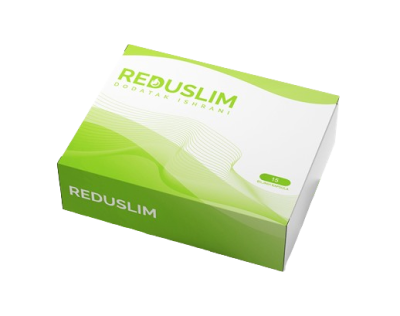
REDUSLIM sveobuhvatno rešava problem viška telesne masti
primenom dvostepenog pristupa
Prvi korak reaguje ubrzavanjem metabolizma, drugi normalizuje apetit.
REDUSLIM-om poboljšavate normalizaciju metaboličkih procesa u konbinaciji s prirodnom kontrolom apetita. To vam omogućava da jedete normalno, dobijete na težini i transformišete telesnu masnoću u energiju.
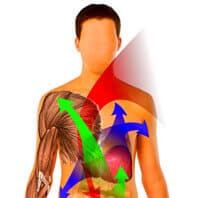
POREMEĆAJ TELESNOG BIORITMA

TRUDNOĆA, POROĐAJ, DOJENJE
HORMONSKI TRETMAN

STRES I NERVNA NAPETOST

HRONIČNI NEDOSTATAK SNA

GINEKOLOŠKE, UROLOŠKE, VIRUSNE BOLESTI

FIZIČKA AKTIVNOST I SPORT

PIJENJE ENERGETSKIH PIĆA, ALKOHOLA, PUŠENJE

CLA
SAGOREVA MASNE NASLAGE
Idealan pomagač kod redukcije masnog tkiva i poboljšanja tonusa mišića. Pozitivno djeluje na metabolizam proteina i masti u organizmu što za posljedicu ima povećanje energije.

L-KARNITIN
SMANJUJE POJAVU CELULITA
Pomaže telu pri proizvodnji energije tj. pretvranju masti u energiju. Kada telo svakodnevno dobije dovoljno L-karnitina, proces pretvaranja masti u energiju se ubrzava i tope se naslage potokožnog masnog tkiva i "narančina kora" poprima glatkiji izgled.

KAPSAICIN
REGULIŠE PROBAVU I SMANJUJE NADUTOST
Kapsaicin stvara dodantnu toplotu u telu i ubrzava cirkulaciju, a poznato je da u tavkim situacijama telo troši veći broj kalorija.

ZELENI ČAJ
UBRZAVA METABOLIZAM
Sadrži kofein, dobro poznat kao stimulans pravilne probave i pobvećane cirkulacije krvi u telu. Zeleni čaj utiče na koncetraciju lošeg holesterola u krvi, te daje osećaj sitosti.
Glavni razlog gojaznosti je često pogrešan pristup gubitka kilograma.
Moji pacijenti su svjesni važnosti brzog metabolizma za mršavljenje. Međutim, ako ga ubrzate pravilnom hranom i puno tekućine, mnogi se suočavaju s problemom poput nekontroliranog povećanja apetita. Postoji direktna veza između ubrzanog metabolizma i nekontrolirane gladi.
Sada je moguće oba problema rešiti jednim potezom uzimanjem prirodnih sastojaka u obliku tableta, REDUSLIM. Medikamentozno liječenje gojaznosti ne uklanja osnovni uzrok problema, što znači da će učinak takvog gubitka kilograma biti samo privremen.
REDUSLIM za razliku od drugih proizvoda, ne samo da aktivira sagorijevanje masti, već i pretvara masne rezerve u energiju, što poboljšava dobrobit i dobro raspoloženje.
Sastav REDUSLIM imaju umirujuće delovanje normaliziraju apetit, regulišu hormonske promene i ubrzava metabolizam.

Anja Martinović, nutricionista
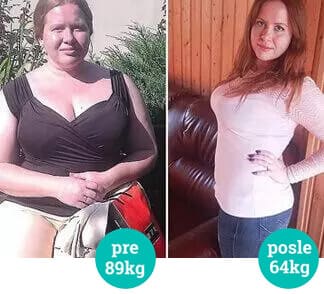
Marija
"Otkad znam za sebe, borim se sa kilogramima. Najveći neprijatelj je bio moj pojačan apetit. REDUSLIM me nije uslovljavao sa brojem obroka, a neverovatno dobro deluje! U prvih nekoliko dana mi je requlisao apetit, smanjila sam količinu hrane i kilogrami su postepeno počeli spadati. Nisam se namučila, a ukupno sam izgubila 25 kg za 4,5 meseca!"
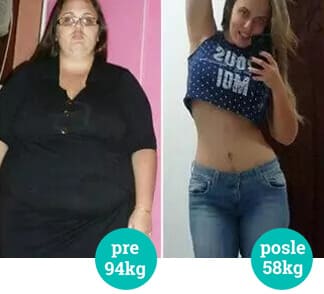
Ivana
"S REDUSLIM tabletama sam ukupno smršala 36 kg. Oduševljena sam, ali me moja transformacija dovela u nezavidan položaj. Morala sam da izdvojim veću sumu novca da bih kupila novu odeću jer mi je moja stara bila prevelika. Ali vredelo je, konačno volim svoje telo."
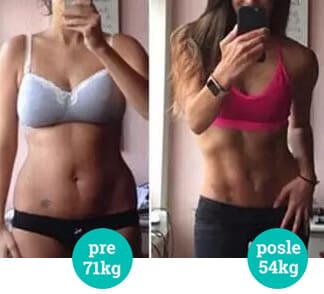
Jovana
"Redovno treniram, ali nikada nisam imala telo kakvo sam želela. Počela sam piti REDUSLIM tablete po preporuci trenera, da povećam snagu i izdržljivost. Izgubla sam 17 kg kojih nikako nisam mogla da se rešim, plus pucam od energije. Preporuka svima koji paze na svoj izgled i treniraju."
Popunite polja za narudžbu i ostvarite popust

Pričekajte poziv. Potvrdite sve detalje narudžbe s operaterom

Ne plaćajte ništa dok paket ne primite
Na desetine hiljada ljudi baš u ovom trenutku silazi sa vage sa osmehom, a razlog je jednostavan
OVA FORMULA RADI!
* Proizvođač ne garantuje svima iste rezultate. Rezultati prikazani na stranici su individualni. Svaka osoba može da ima drugačiji rezultat.